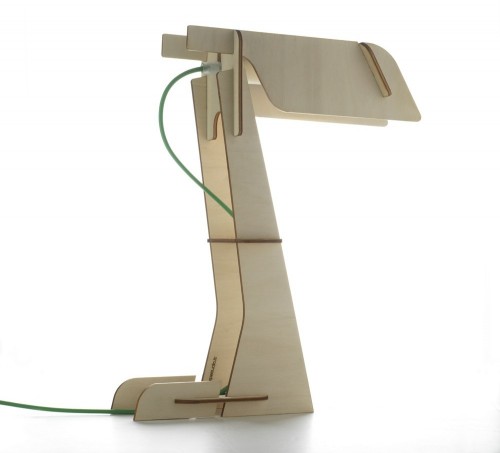
I’ve always loved slot-in collapsible items for their practicality and compactness. This item from ZPStudio has all the above qualities in addition to being highly adorable. Zeta desk lamp, produced for SLowdesign, is constructed from interlocking poplar plywood pieces laser cut from a single sheet, and belongs to a series of objects called the ‘Easy Tech’ collection. Each component just slots in place, making it quite literally a child’s play to assemble. The electrical cable is coated in colored cotton fabric and presented as a decorative element rather than an eyesore. Lovely.
(via medesignmag)

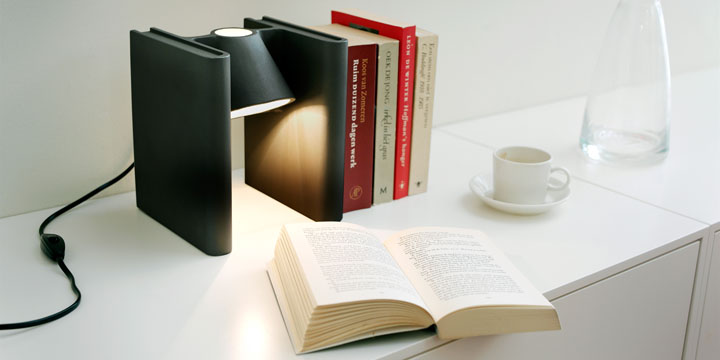
This lamp/bookend hybrid has been created by Roderick Vos. Inspired by library lights, the designer tried to come up with a solution that can function as a light and at the same time illuminate books and make them more visible. So he designed Mr. Ed, a light bulb held in place by two vertical, book-like shapes. At home on a bookshelf or on a bedside table, Mr. Ed has enough brute strength to act as a bookend. The piece is made of cast aluminum and can accomodate any 40-watt bulb.


This lighting fixture made me look. Wrappie Lamp by Warsaw based studio KABO&PYDO changes its height thanks to the adjustable cable, wrapped around the ceramic tube (hence the name). Rather interesting combination of a humble cable and elegant ceramic gives the lamp its charm. And because it can be suspended virtually over any surface, it can play many roles, even serve as a reading lamp, eliminating the need for a table one. The piece comes in white ceramic with blue, white, green and orange cable choices.


If you bring this thing to any New Year’s Eve party – you will definitely be a gift hero. A lamp and wine case in one, created by Spanish design studio Ciclus, is an ideal way to deliver your communal booze contribution in style. Made out of 100% recycled cardboard and wood from sustainable forests, the piece is an eco-friendly party favorite. Once the wine bottle is taken out of the equation, you can transform the package into an ambient lamp. Instructions and cordage are included.

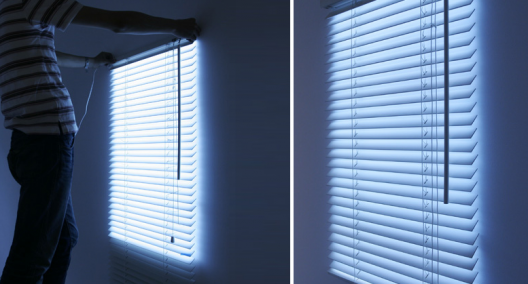
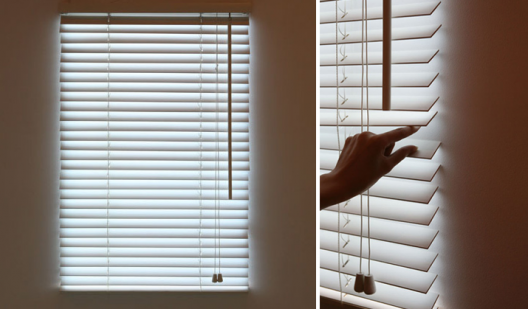
Here is one way to beat the seasonal gloom – Bright Blind by Makoto Hirahara. This ingenious product simulates a window where none exists. Made of electroluminescent (EL) sheets, the piece can illuminate your home, creating an architectural detail (who wouldn’t want more light and more windows?). The function of this artificial blind is quite intuitive – turn the plastic stick and control the brightness! Available at Generate.

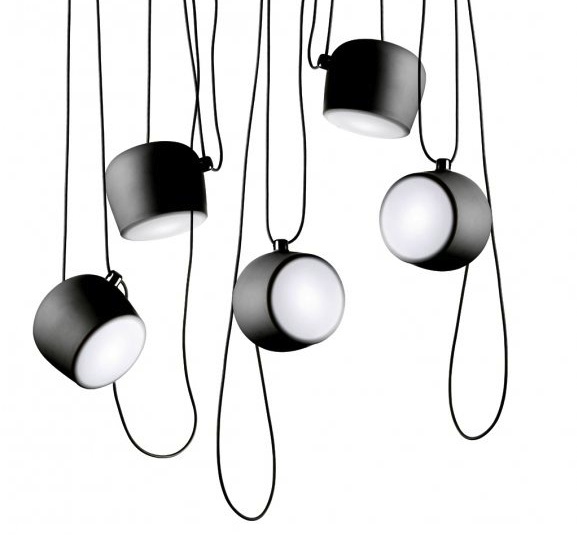
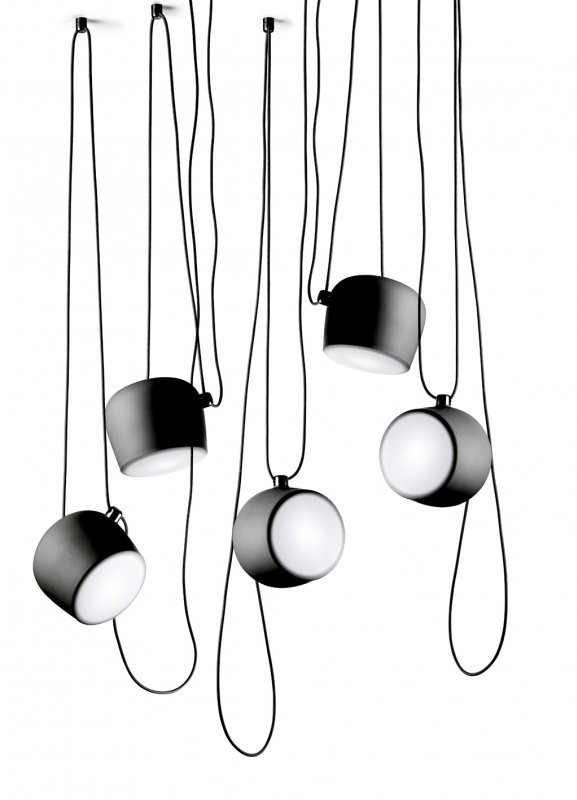
Fully adjustable lighting system that adopts seamlessly to our preferences and takes zero floor space? Yes, please. French design duo Ronan and Erwan Bouroullec created Aim lamp, a new project for Italian brand Flos. The piece is suspended from the ceiling and, thanks to the clever use of cables, can be adjusted in any direction. Designers explain: ‘We came up with a proposal of a new typology of lamp that naturally positions itself in the space – like a plant would do – thanks to the long cables which facilitate the orientation and the height of the light freely.’ The lamp is a looker too. I smell another big hit from the Bouroullec family.

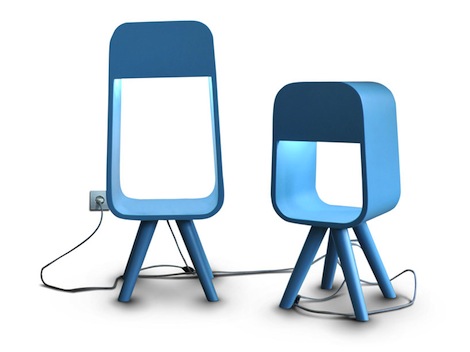
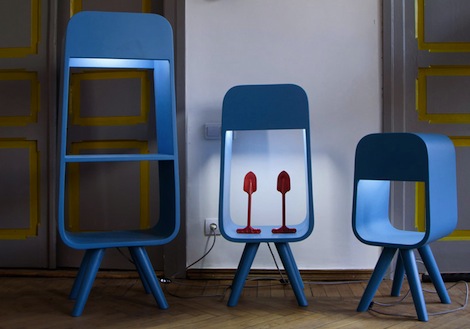
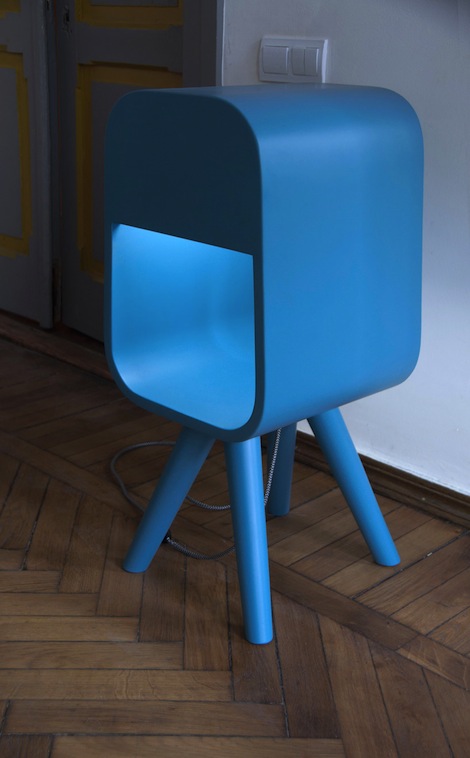
Ukrainian designers Valeriy Kuznetsov, Katerina Kuznetspva and Illarion Karnaukh, all together Decorkuznetsov Sudio, have created this family of dual-functional objects. Called Ushanki (Russian for ‘babushka’ hats), the pieces combine shelving and illumination. Each wooden unit is fitted with a fluorescent lamp, which makes Ushanki perfect as a night stand or an ambient bookcase. The piece comes in three sizes.

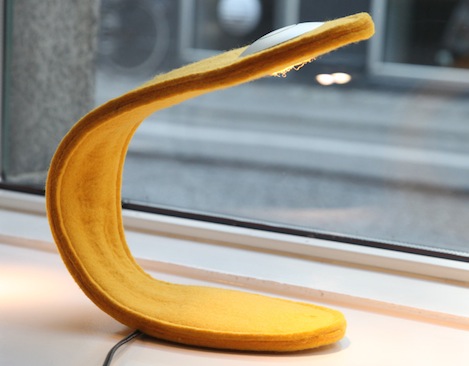
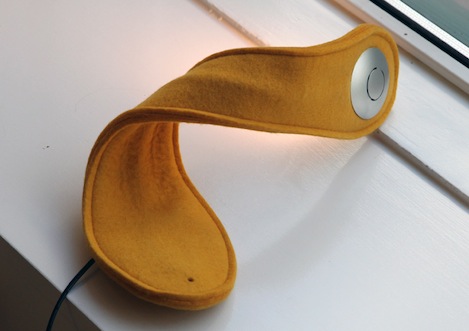
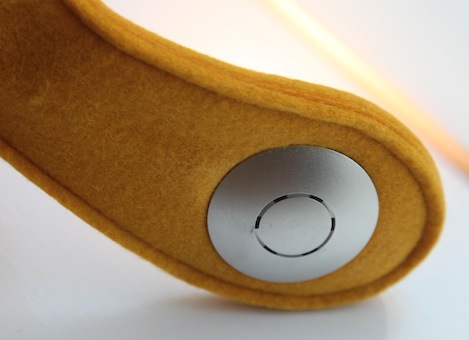
Viper is a series of LED lamps, created by Danish designer Philip Bro Ludvigsen for Danish lamp manufacturer Le Klint. The piece comes in three sizes – small, base-less version (that can be converted into a wall lamp), a medium table lamp, and a large floor model. Viper is made of leather or wool felt and fitted with flex wiring, which is why it can be bent into any shape imaginable. With these highly adaptable lightpieces you can direct your illumination in any way you please. The lamps were recently unveiled at the Copenhagen Design Week 2011.


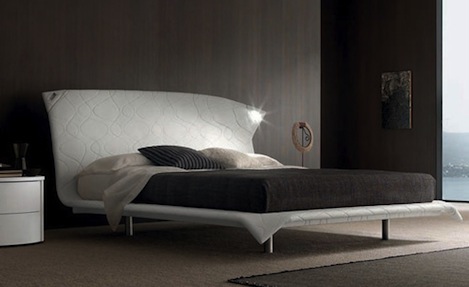
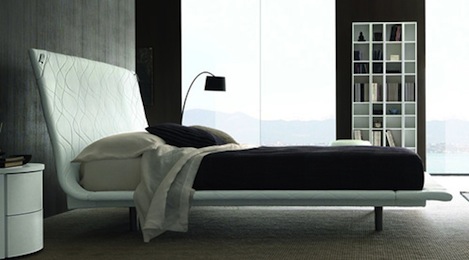
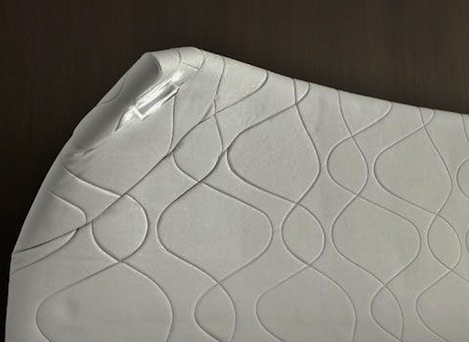
Abbracio is a beautiful upholstered bed designed by Fausto Boscariol for Italian manufacturer Europeo. The most telling feature of this piece is a bending headboard that embraces you (hence the name) while illuminating your reading. Two lights, incorporated into the corners of the bed, can be turned in any direction, giving you the choice of direct or ambient lighting. The bed comes in a variety of colors. Watch the videos to see Abbracio in action.


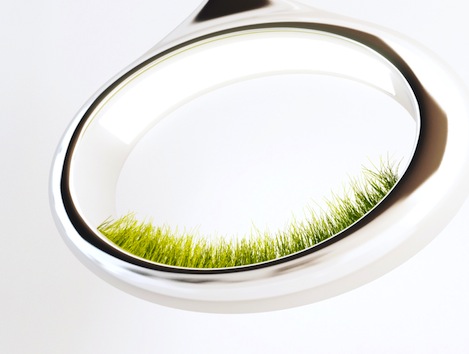
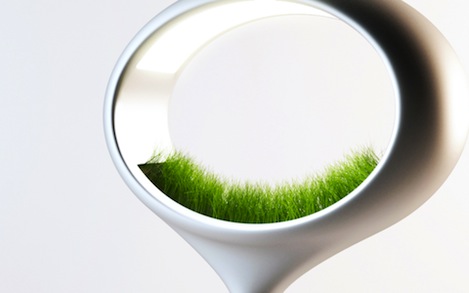
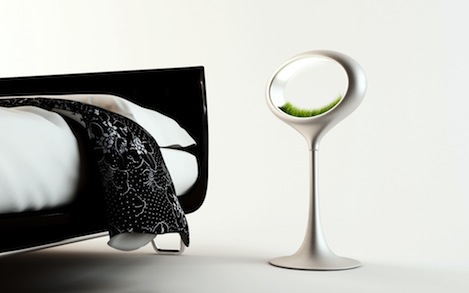
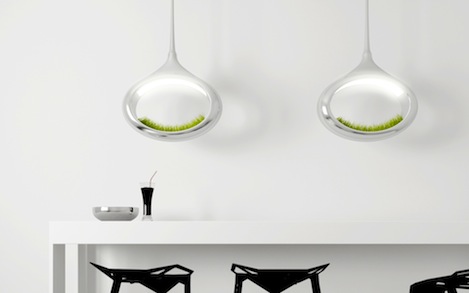
The Grass Lamp by Marko Vuvkovic made me look. In the attempt to introduce natural elements to a home interior, the designer combined lighting with greenery in one elegant object. The piece is made from PVC plastic and incorporates space for a small planter. The lighting source located directly above it provides enough illumination for the grass to grow. Available as a floor lamp or a pendant.