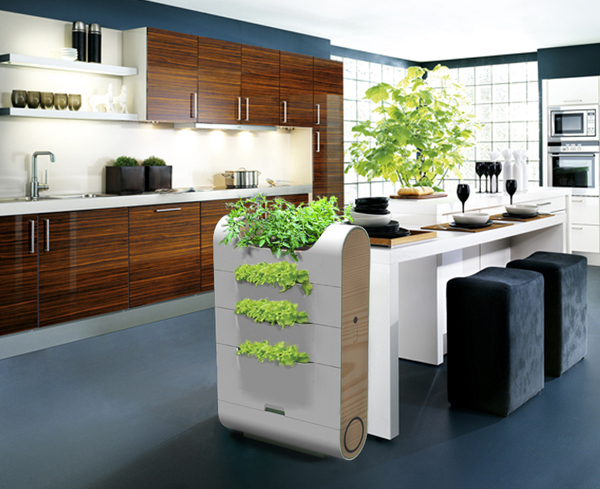
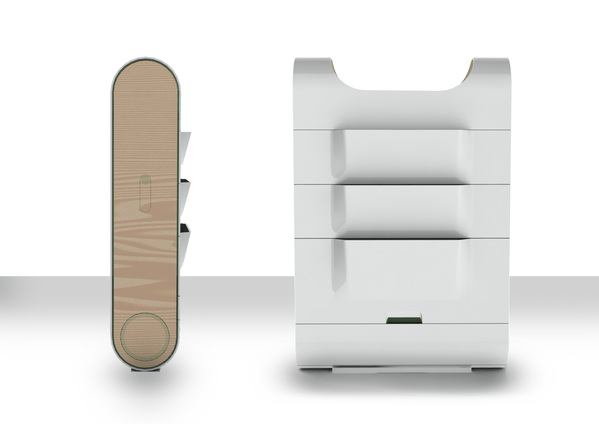
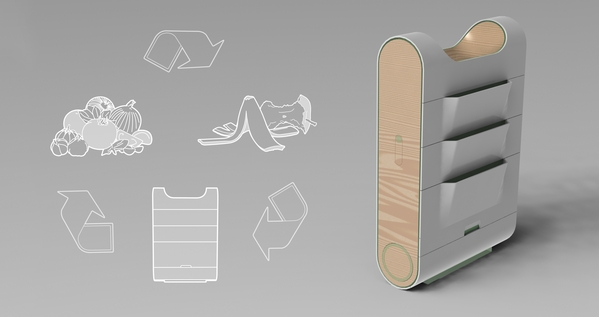
Vedge is an interesting concept project by young British designer James Wood. He proposes to combine a planter and a compost receptacle into one compact and stylish item. The product has within it a 20 litre wormery for the decomposition of the households organic waste. This waste is broken down into a nutrient rich fertilizer, which is then used to grow fresh organic produce. Vedge creates a perfect cycle of sustainability and allows you to glow herbs and veggies indoors all year long. It is built vertically, which saves space and makes the item a serious contender for a tiny city apartment.
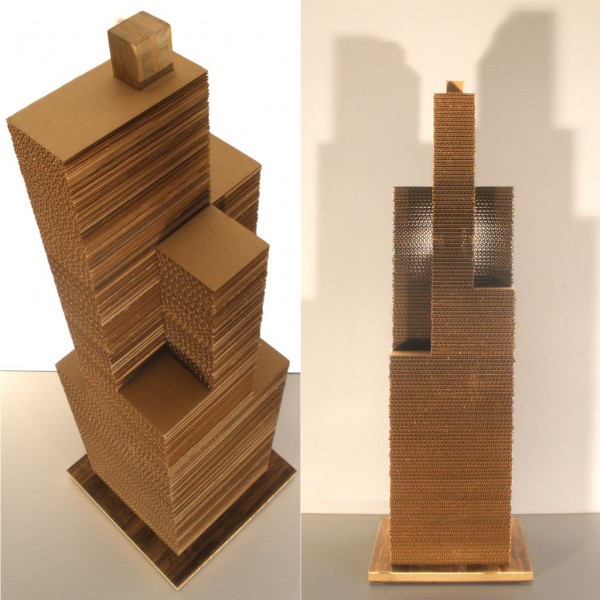
If you are a cat lover you probably know that the only way to preserve the integrity of your furniture is to make some alternative scratching arrangements for your claw-happy kitty. But the choices we often see in pet stores, although offering some fun for our cats, don’t always give us something nice to look at. The Sky Scratcher by Portland based designer Mike Estes combines both – joy for the pet and an an aesthetic pleasure for the owner. Inspired by Chicago skyline, this architectural scratching post will make a design statement rather than an eyesore in your home. It is quite clever too. The item is stackable, which gives you the option to change and renew parts. It uses no adhesive, employs sustainable and recyclable materials and requires zero assembly effort. Check out the Sky Scratcher Kickstarter campaign for more details. And to see the product’s usage (and enjoyage) in action – watch the video below.
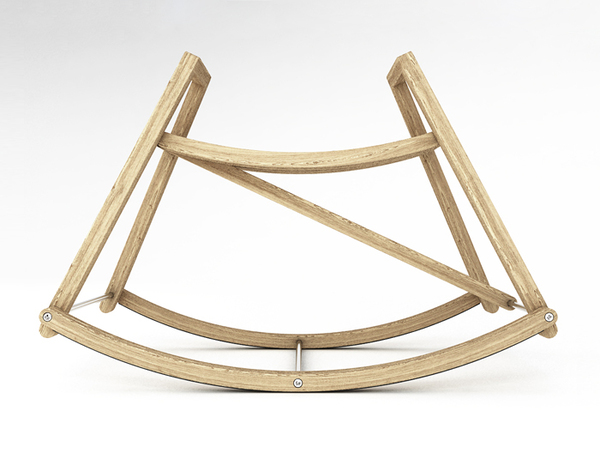
No childhood is complete without a rocking horse, and every good parent knows it. However, such item requires space and can pose a challenge if your place is tiny. Luckily, Danish designer Michael Knapp had thought of this. His RockingHorse collapses into the size of a standard folding chair. So, when the rocking fun is over, the piece can be hung on or leaned to a wall and save space. I also like the minimalist aesthetic of the RockingHorse. Made of thin wooden pieces, it looks simple and graphically stunning in both unfolded or collapsed forms.

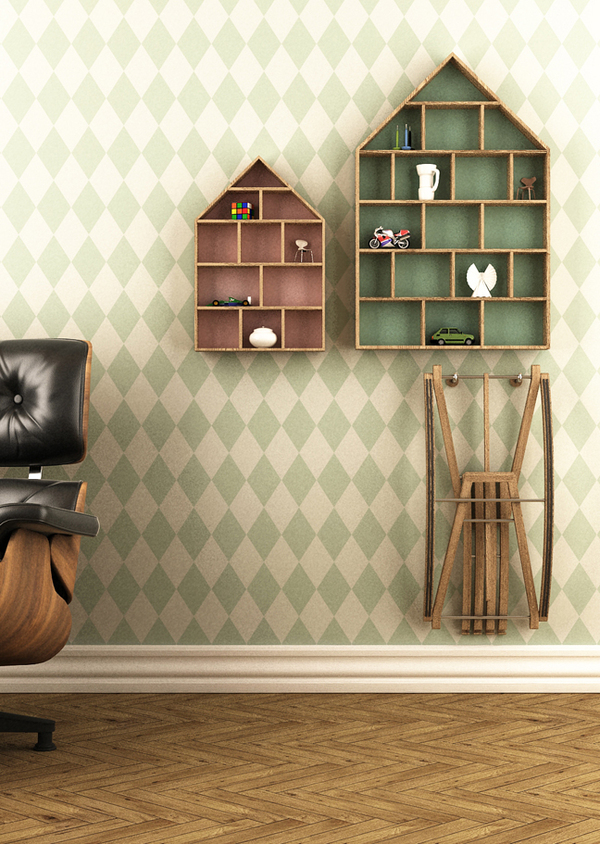
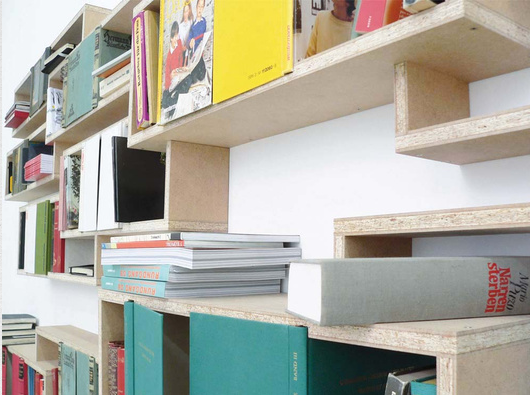
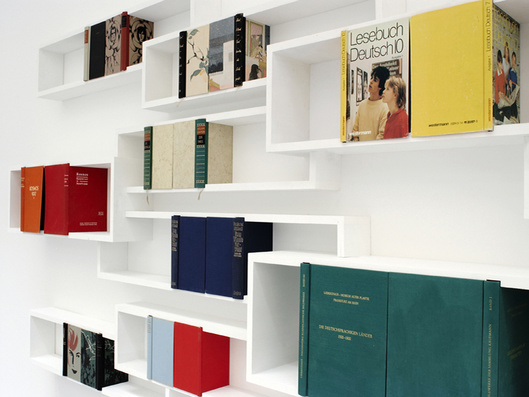
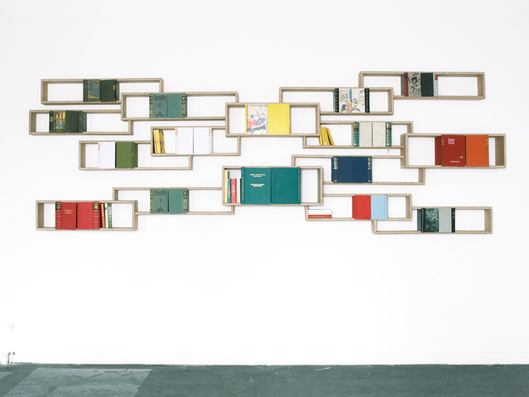
Instead of letting your favorite, memorable or otherwise significant books gather dust in the back of your bookcase, why not show them off, creating a beautiful decorative arrangement? This was the idea behind Miriam Aust‘s bookshelf, which is built around the books you choose to display. ‘A quite arbitrary number of shelf boxes in different heights, cutting and turning round each, are forming this shelf. Every crate is oriented in its height and depth on a pair of books and forms an individual frame for it. Put into grooves, with an extended lid each, the books are forming small hinged storage spaces in the shelf,’ – explains the designer. With the growing popularity of electronic reading, books are pushed further and further into realm of purely aesthetic pleasures. And this beautiful and nostalgic project is a pleasure indeed.
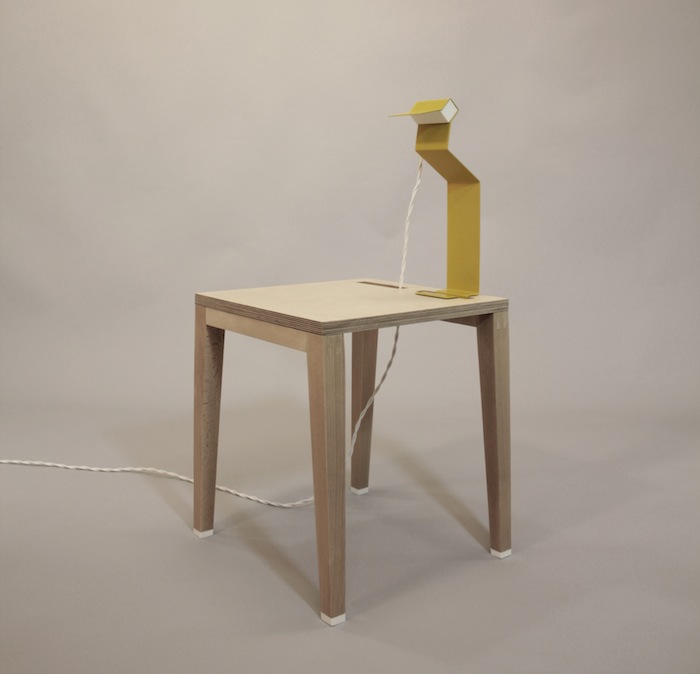
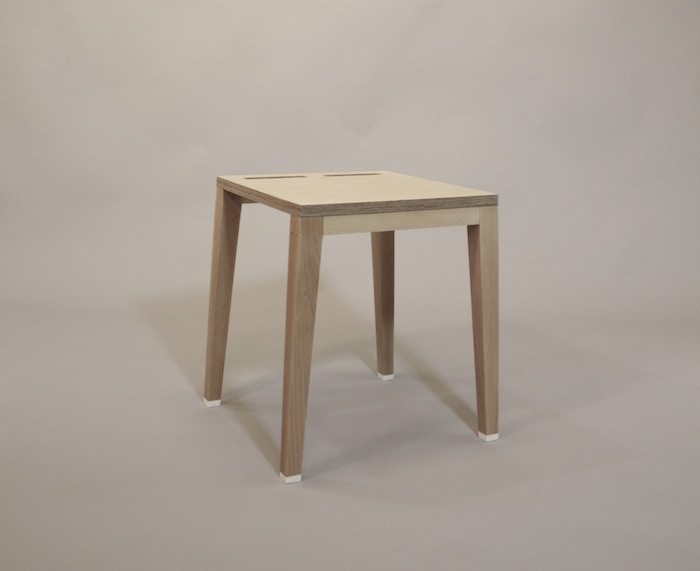
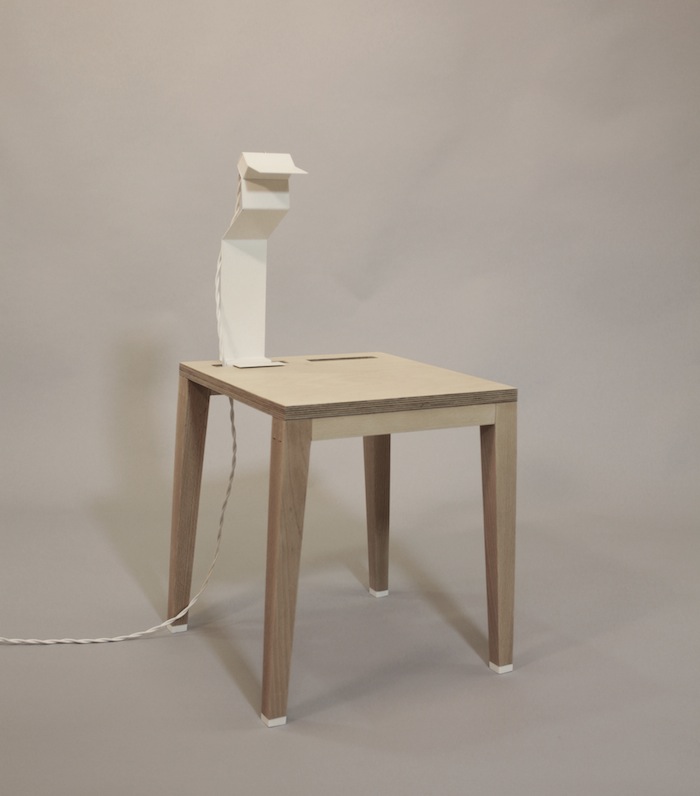
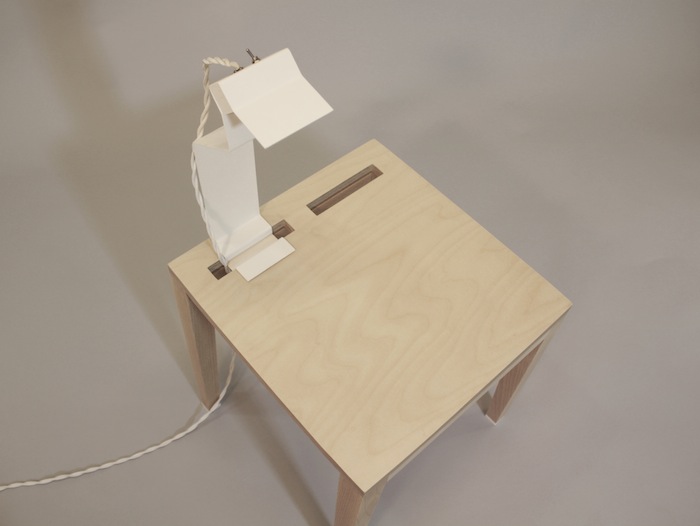
St. Charles is the name of a lovely multifunctional item created by Spanish design studio håus and recently unveiled at Habitat Valencia trade show as part of a larger collection of eco-friendly multifunctional objects. This particular piece can serve as a stool, side table, night table or occasional table. It even has a slot for a lamp from the same line, which makes it even easier to adopt to its changing roles. St. Charled (as well as other håus items) is also demountable so it can be shipped flat, saving money and resources. Clean, uncomplicated, functional design, perfect for small apartments or dorms.
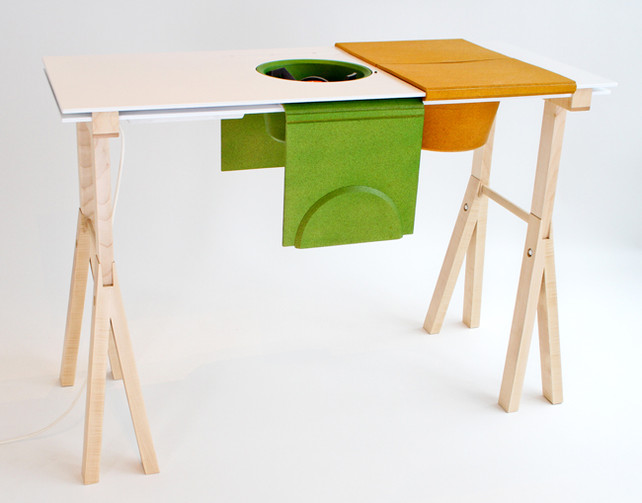
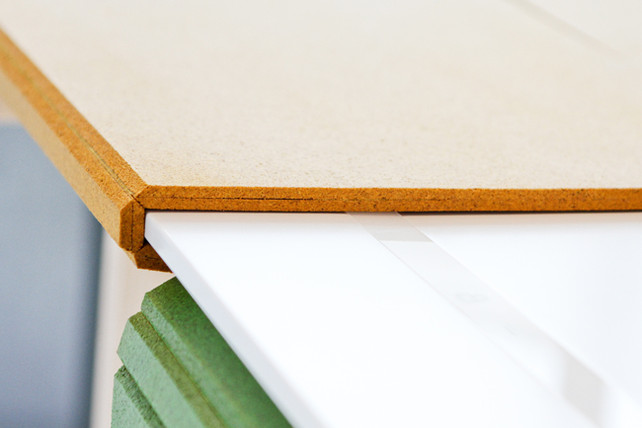
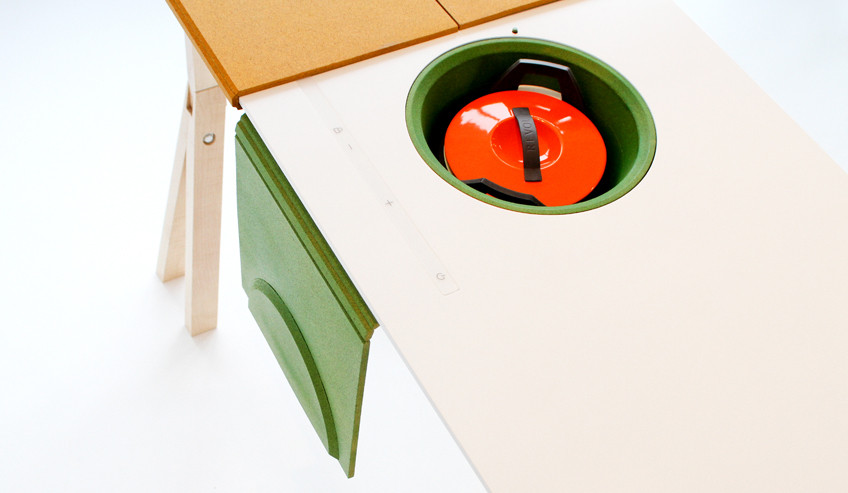
Shelved Cooking is a minimalist and energy efficient kitchen concept by French design trio Arnaud Le Cat, Esther Bacot, and Luther Quenum. The design is inspired by traditional Norwegian slow-cooking technique. This simple and elegant system sonsists of two cylinders (one small, one large) set into a workbench mounted on trestles, each containing an induction hotplate. A cooking pot is placed inside the cylinder and brought to a boil. The hotplates then get switched off, and the insulation flaps seal the cylinder (they are made from compressed layers of boiled wool, survival blanket and cork). After this stage, the food simply continues to simmer on its own. This method allows to save up to 75 percent of the energy needed for a similar dish to be cooked on a traditional stove. Shelved Cooking is a compact little item too. An energy-saving attractive cooking tool nearly the size of an ironing board? Sounds good to me.

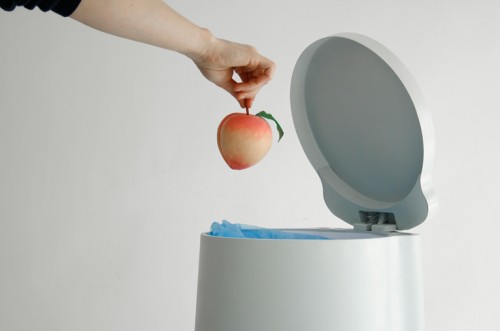
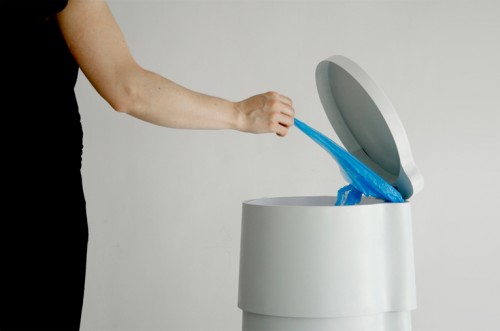
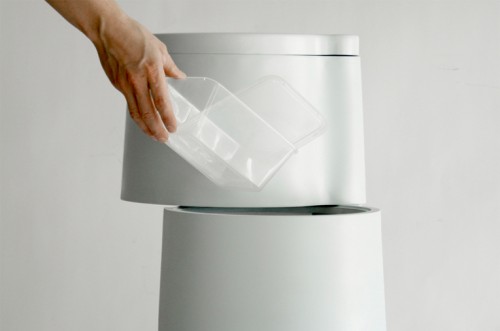
Garbage disposal is a prosaic process, but unless it is properly organized, nothing poetic is possible. And Tri3 by Paris based designer Constance Guisset is an organizational beauty, allowing for this process to go smoothly. The piece is essentially a trash bin and a recycling station in one. It consists of three parts (hence the name): the top segment is meant for organic waste, the middle one pivots to the side and stores plastic litter and the bottom compartment, the biggest one of the three, is dedicated to glass. All three parts are brought to movement by their respective pedals on the bottom. The disposable bags are stored under the hood. The vertical shape of Tri3 is not only attractive to the eye, it also saves space, allowing vertical storage. I also like the fact that the organic waste compartment is small enough to ensure frequent removal.


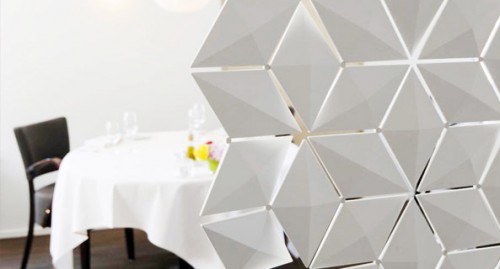
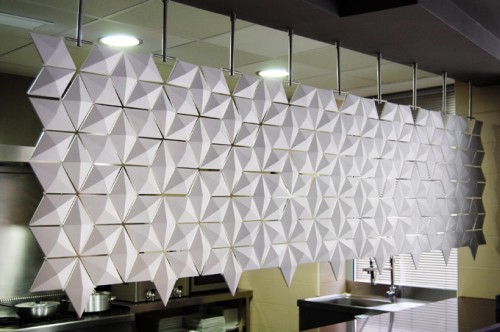
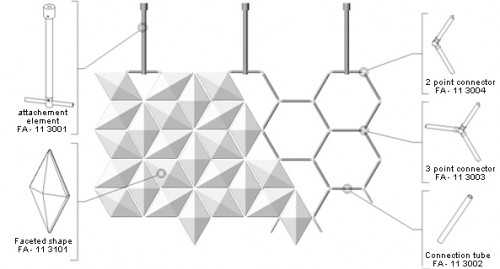
Facet is a clever modular space divider designed by Bas van Leeuwen & Mireille Meijs of Bloomming. Produced by 3form, the item is made from all recyclable materials and can be easily incorporated in any space, big or small. This truly versatile object allows you to customize width, length and even transparency of your divider – the segments rotate 360 degrees and create various patterns and levels of privacy. The installation is easy, the components attach to a frame with a simple click. Beautifully well thought out product, ideal for open floor plans and studio apartments.

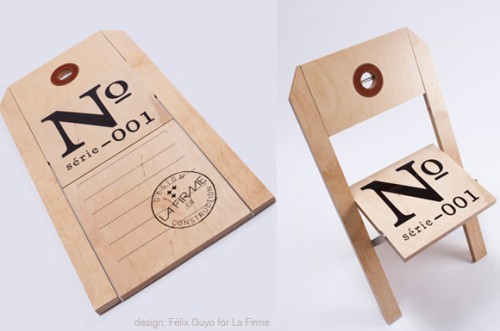
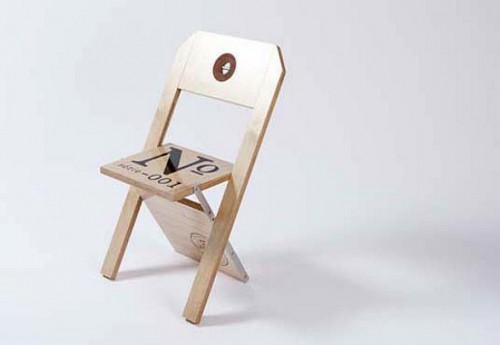
The Label Chair, designed by Félix Guyon and manufactured by Canadian company La Firme, is possibly the thinest folding chair in the world. When folded, it measures only one inch! Made of Russian birch, the chair features specific decoration that gives the piece its name. The Label Chair was initially produced for the International Documentary Film Event in Montreal, but its elegant form and superb functionality will make it a welcome addition to any interior, public or private.

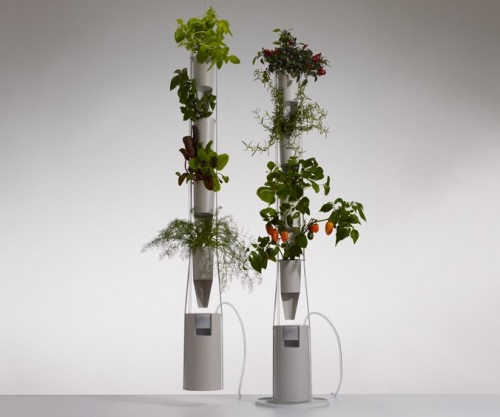
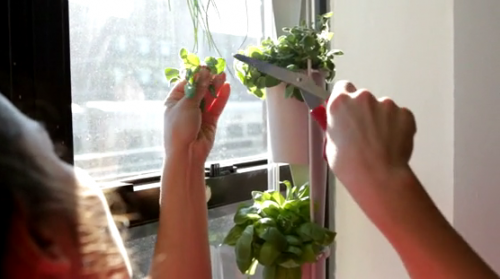
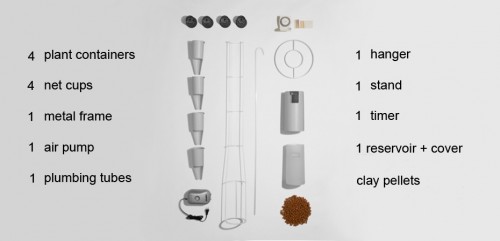
I’m quite taken by this Kickstarter project, and not only because my fellow Brooklynites are behind it. It resonates with anyone who tries to grow herbs and vegetables in a limited urban setting. Windowfarms, as the name suggests, is a system allowing you to cultivate your greens by the window all year long, hydroponically. The roots are bathed in nutrients from the sea, preventing food plants from getting root bound (as they do in traditional soil filled containers). You get healthier roots, and fresher, more nutritious vegetables without dirt in small spaces. The initiative has been funded already, so the product will be produced in the beginning of the year 2012. Pledge within the next 10 days to get your set.